
Ergothioneine: The "Longevity Vitamin" Hidden in Mushrooms
Your body has a dedicated transporter for this amino acid it can't make. A renowned biochemist argues it should be classified as a vitamin — and its decline with age may drive disease.
title: "Ergothioneine — The Longevity Vitamin Hiding in Mushrooms" description: "Ergothioneine is a unique amino acid produced only by fungi and certain bacteria. Proposed as a 'longevity vitamin' by biochemist Bruce Ames, it may protect the brain, eyes, and liver from age-related oxidative damage." category: "supplements" tags: ["ergothioneine", "mushrooms", "antioxidant", "longevity", "neuroprotection"] published: true date: "2026-02-15"
Ergothioneine — The Longevity Vitamin Hiding in Mushrooms
Your body can't make it. Your cells desperately hoard it. And the amount in your blood drops as you age — right as chronic disease begins to rise. Meet ergothioneine: a strange, sulfur-containing amino acid that only fungi and a handful of bacteria know how to produce, and that one of the most respected biochemists in the world believes should be classified as a vitamin.
What Is Ergothioneine?
Ergothioneine (EGT) is a naturally occurring amino acid first discovered in 1909 by French pharmacist Charles Tanret, who isolated it from the ergot fungus. It's a thiourea derivative of histidine — essentially histidine with a sulfur atom bolted onto its imidazole ring.
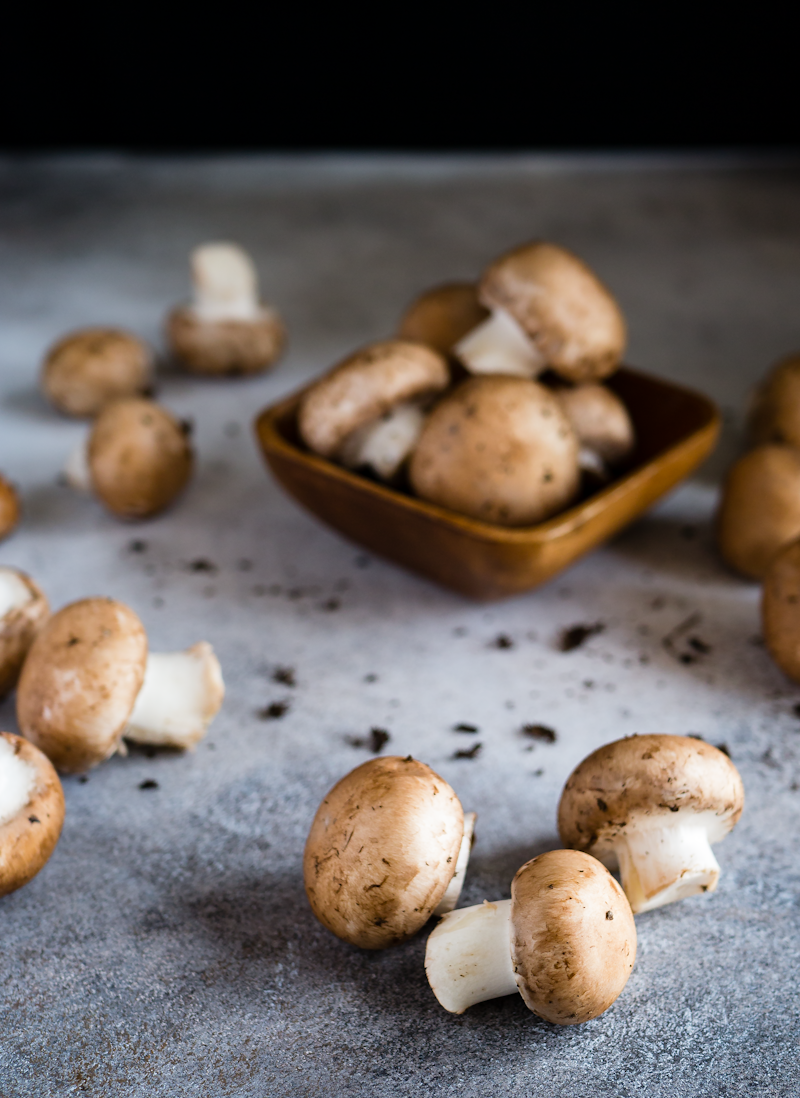
What makes ergothioneine biologically unusual is that only certain fungi and bacteria can synthesize it. Humans, animals, and plants cannot produce it at all. We are entirely dependent on dietary intake — primarily from mushrooms.
Despite this, ergothioneine is found throughout human tissues at surprisingly high concentrations, particularly in cells under heavy oxidative stress: red blood cells, bone marrow, the liver, kidneys, the eye lens, and — critically — the brain.
How does our body accumulate a compound it cannot make? That's where the story gets interesting.
The Dedicated Transporter: OCTN1
In 2005, researchers identified that humans express a highly specific transporter protein called OCTN1 (encoded by the gene SLC22A4) whose primary physiological function appears to be absorbing and distributing ergothioneine throughout the body.
Think about what that means from an evolutionary perspective. Our genome dedicates an entire transporter — expressed in the gut, liver, kidneys, brain, and eyes — to scavenging a compound we can't synthesize from our food. Nature doesn't waste genetic real estate. This is strong circumstantial evidence that ergothioneine plays an important, possibly essential, biological role.
OCTN1 actively concentrates ergothioneine inside cells to levels far exceeding what's found in the bloodstream. Red blood cells, for instance, contain millimolar concentrations — roughly 1,000 times the plasma level. The transporter is also highly expressed in the blood-brain barrier, suggesting the brain is particularly keen on getting its share.
A Uniquely Stable Antioxidant
Ergothioneine is a potent antioxidant, but it's not just another one in a long list. What distinguishes it is its remarkable chemical stability.
Most biological thiols (sulfur-containing antioxidants like glutathione and cysteine) are rapidly oxidized when exposed to air. Ergothioneine resists auto-oxidation. In solution, it can persist for months without degrading. Inside cells, it doesn't get consumed quickly — it accumulates and provides sustained protection.
Research by Cheah and Halliwell (2012) demonstrated that ergothioneine is particularly effective at:
- Scavenging hydroxyl radicals — the most damaging type of reactive oxygen species
- Neutralizing hypochlorous acid — a potent oxidant produced by immune cells during inflammation
- Chelating divalent metal ions (Cu²⁺, Fe²⁺) that catalyze oxidative damage
- Protecting mitochondrial DNA from oxidative lesions
Unlike many dietary antioxidants that get rapidly metabolized and excreted, ergothioneine has an extraordinarily long half-life in human tissue — estimated at approximately 30 days in whole blood. Your body holds onto it tightly.
Where It's Found: The Mushroom Connection
Ergothioneine is present in small amounts in various foods (liver, kidney beans, black beans, oat bran), but mushrooms are by far the richest dietary source. The concentrations vary dramatically by species:
| Mushroom | Ergothioneine (mg/100g dry weight) |
|---|---|
| King oyster (Pleurotus eryngii) | 24–129 |
| Oyster mushroom (Pleurotus ostreatus) | 12–60 |
| Shiitake (Lentinula edodes) | 8–39 |
| Porcini (Boletus edulis) | 7–53 |
| White button (Agaricus bisporus) | 2–10 |
| Lion's mane (Hericium erinaceus) | 5–16 |
Cooking does not significantly degrade ergothioneine — it's heat-stable, which means the EGT in a cooked shiitake stir-fry is largely intact.
A 2017 study by Kalaras et al. at Penn State confirmed that mushrooms are the single greatest dietary source of ergothioneine in the American diet, and that people who eat more mushrooms have measurably higher blood levels of EGT.
The "Longevity Vitamin" Proposal
In 2018, Bruce N. Ames — the legendary biochemist who invented the Ames test for mutagenicity and has spent decades studying the relationship between micronutrient deficiency and chronic disease — published a landmark paper in the Proceedings of the National Academy of Sciences (PNAS).
In it, Ames proposed the concept of "longevity vitamins": nutrients that aren't strictly required for immediate survival but are essential for long-term health and protection against the diseases of aging. His framework builds on his earlier "triage theory" — the idea that when a nutrient is scarce, the body prioritizes short-term survival proteins over long-term protective ("longevity") proteins.
Ergothioneine was featured prominently among Ames's proposed longevity vitamins, alongside PQQ (pyrroloquinoline quinone), queuine, and several carotenoids. His argument:
- Humans have a dedicated transporter (OCTN1) for it — suggesting evolutionary importance
- It accumulates in tissues under high oxidative stress
- Blood levels decline with age and correlate with disease risk
- Animal studies show protective effects against neurodegeneration, cardiovascular disease, and metabolic dysfunction
Ames stopped short of calling ergothioneine a true vitamin (the clinical evidence isn't yet strong enough), but his paper legitimized it as a serious candidate for longevity research.
Ergothioneine and Aging: What the Evidence Shows
Declining Levels With Age
Multiple studies have documented that plasma ergothioneine levels decrease significantly with age. A 2016 study by Cheah et al. found that EGT levels in healthy adults over 60 were substantially lower than in younger adults — and that the decline correlated with increased markers of oxidative stress and inflammation.
More strikingly, people with neurodegenerative diseases show even steeper declines. A 2019 study published in Free Radical Biology and Medicine found that plasma ergothioneine was significantly lower in patients with mild cognitive impairment (MCI) compared to age-matched healthy controls, suggesting EGT depletion may be an early biomarker — or even a contributing factor — in cognitive decline.
The Mushroom-Longevity Epidemiology
Large epidemiological studies support the connection:
A 2021 study analyzing data from NHANES (over 15,000 US adults) found that mushroom consumption was associated with a lower risk of all-cause mortality, even after adjusting for diet quality and other confounders. The top mushroom consumers had roughly a 16% lower mortality risk.
A 2019 Singaporean study (the Diet and Healthy Aging study, ~600 elderly participants) found that seniors who ate more than 2 portions of mushrooms per week had significantly reduced odds of mild cognitive impairment (OR = 0.43), with the authors specifically implicating ergothioneine as a likely active compound.
A 2023 Japanese prospective cohort study followed over 13,000 participants and found that higher mushroom intake was associated with lower dementia incidence, particularly among women.
Animal and Cell Studies
The preclinical data is encouraging:
- EGT-deficient mice (OCTN1 knockouts) develop increased oxidative damage and are more susceptible to intestinal inflammation and neurodegeneration
- EGT supplementation in aging mice reduces markers of oxidative stress and inflammation
- In cell models, EGT protects neurons from beta-amyloid toxicity (relevant to Alzheimer's disease) and preserves mitochondrial function
- EGT has shown protective effects against UV-induced skin damage, liver fibrosis, and ischemia-reperfusion injury in various animal models
What We Don't Know Yet
Let's be honest about the limitations. Ergothioneine research is still in its early stages compared to well-established supplements like vitamin D, omega-3s, or magnesium.
Key gaps:
- No large-scale randomized controlled trials (RCTs) have yet been completed in humans testing ergothioneine supplementation for longevity endpoints (cognitive decline, cardiovascular events, mortality)
- Most human data is observational (mushroom consumption correlations) — these can't prove causation
- The optimal dose for health benefits in humans is not established
- We don't fully understand the mechanisms by which EGT levels decline with age — is it reduced dietary intake, impaired absorption, increased utilization, or all three?
- Long-term safety data for supplemental doses is limited, though no toxicity has been reported
Several clinical trials are currently underway (including studies at the National University of Singapore) examining EGT's effects on cognitive function and inflammatory biomarkers in older adults. Results from these trials will be critical in moving ergothioneine from "promising" to "proven."
Supplementation: Dosage and Practical Considerations
Ergothioneine supplements have become widely available in the last few years, typically produced via fermentation using engineered Aspergillus or Methylobacterium strains.
Typical supplement doses: 5–25 mg per day
- 5 mg/day — roughly equivalent to eating a serving of mushrooms daily; a reasonable maintenance dose
- 10–25 mg/day — the range used in most supplements and pilot clinical studies
- 30 mg/day — the dose used in some ongoing clinical trials
For context, the average American diet provides roughly 1–3 mg/day of ergothioneine, far less than what our ancestors likely consumed given the historical prevalence of wild mushrooms and organ meats.
Ergothioneine is well-absorbed orally (bioavailability appears high thanks to OCTN1), and no adverse effects have been reported at supplemental doses up to 30 mg/day in human studies lasting several months.
The food-first approach: If you'd rather not supplement, simply eating more mushrooms is a legitimate strategy. A 100g serving of king oyster or shiitake mushrooms several times per week can meaningfully boost your EGT levels.
The Bottom Line
Ergothioneine occupies a fascinating middle ground in longevity science. It's not yet a "proven" longevity supplement in the way that, say, omega-3 fatty acids are. But the biological case is unusually compelling:
- A dedicated human transporter — evolutionary evidence our body values it
- Accumulation in the most vulnerable tissues — brain, eyes, liver
- Levels decline with age — correlating with disease onset
- Robust antioxidant chemistry — stable, long-lasting, targeted to mitochondria
- Epidemiological support — mushroom consumption linked to lower mortality and dementia risk
- A credible champion — Bruce Ames doesn't attach his name to trivia
If you do nothing else, eat more mushrooms. Shiitake, oyster, porcini, king oyster — these are among the most nutrient-dense foods on the planet, and ergothioneine is just one of the reasons why.
If you're inclined toward supplementation, 5–25 mg/day appears safe and reasonable, though the strongest evidence is still forthcoming.
Watch this space. Ergothioneine may well be the next compound to make the jump from "intriguing" to "essential."
Sources
Ames BN. "Prolonging healthy aging: Longevity vitamins and proteins." Proceedings of the National Academy of Sciences 115(43): 10836–10844, 2018. PMID: 30322941
Cheah IK, Halliwell B. "Ergothioneine; antioxidant potential, physiological function and role in disease." Biochimica et Biophysica Acta (BBA) - Molecular Basis of Disease 1822(5): 784–793, 2012. PMID: 22001064
Gründemann D et al. "Discovery of the ergothioneine transporter." Proceedings of the National Academy of Sciences 102(14): 5256–5261, 2005. PMID: 15795384
Cheah IK et al. "Ergothioneine levels in an elderly population decrease with age and incidence of cognitive decline; a risk factor for neurodegeneration?" Biochemical and Biophysical Research Communications 478(1): 162–167, 2016. PMID: 27444382
Cheah IK et al. "Administration of pure ergothioneine to healthy human subjects: Uptake, metabolism, and effects on biomarkers of oxidative damage and inflammation." Antioxidants & Redox Signaling 26(5): 193–206, 2017. PMID: 27488221
Ba DM et al. "Mushroom intake and depression: A population-based study using data from the US National Health and Nutrition Examination Survey (NHANES), 2005–2016." Journal of Affective Disorders 294: 686–692, 2021.
Feng L et al. "The association between mushroom consumption and mild cognitive impairment: A community-based cross-sectional study in Singapore." Journal of Alzheimer's Disease 68(1): 197–203, 2019. PMID: 30775990
Zhang S et al. "Mushroom consumption and incident dementia in elderly Japanese: The Ohsaki Cohort 2006 Study." Journal of the American Geriatrics Society 65(7): 1462–1469, 2017. PMID: 28295143
Kalaras MD et al. "Mushrooms: A rich source of the antioxidants ergothioneine and glutathione." Food Chemistry 233: 429–433, 2017. PMID: 28530594
Halliwell B, Cheah IK, Tang RMY. "Ergothioneine — a diet-derived antioxidant with therapeutic potential." FEBS Letters 592(20): 3357–3366, 2018. PMID: 29851075
Ba DM et al. "Higher mushroom consumption is associated with lower risk of overall and cause-specific mortality: Results from a large prospective cohort of US adults." Nutrition Journal 20(1): 80, 2021. PMID: 34551779
Cheah IK et al. "Plasma ergothioneine levels in patients with mild cognitive impairment." Free Radical Biology and Medicine 135: 1–6, 2019.