
Spermidine: The Autophagy Activator That Could Slow Aging
Found in wheat germ and aged cheese, spermidine triggers your cells' recycling system. Epidemiological data links higher intake to 5+ years of reduced mortality.
What if one of the most powerful anti-aging molecules wasn't locked in a pharmaceutical lab, but sitting in a bowl of wheat germ on your kitchen counter?
Let's get the awkward part out of the way: yes, spermidine was originally discovered in semen. That was in 1678, by Antonie van Leeuwenhoek — the same Dutch scientist who first observed bacteria under a microscope. The name stuck. But spermidine is found in virtually every living cell on Earth, and it turns out to be one of the most promising natural longevity molecules we've ever studied.
In the past decade, spermidine has gone from biochemistry footnote to front-page longevity research. It extends lifespan in yeast, flies, worms, and mice. It's associated with reduced mortality in humans. It protects the heart and the brain. And it does all of this through a single, elegant mechanism: it forces your cells to clean house.
What Is Spermidine?
Spermidine is a polyamine — a small organic molecule with multiple amino groups. Your body produces it naturally, and you also get it from food. It's present in every cell, where it plays roles in cell growth, DNA stability, and gene expression.
Here's the longevity-relevant part: spermidine levels decline with age. Significantly. As you get older, your cells produce less of it, and the cellular maintenance processes it supports start to falter. This decline tracks closely with the onset of age-related diseases.
This observation sparked a simple but profound research question: what if you could restore youthful spermidine levels in aging organisms? Would their cells start functioning like younger cells again?
The answer, across multiple species and dozens of studies, appears to be yes.
The Core Mechanism: Autophagy
To understand why spermidine works, you need to understand autophagy — literally "self-eating."
Autophagy is your cells' internal recycling program. Over time, cellular components accumulate damage: proteins misfold, mitochondria become dysfunctional, waste products build up. Autophagy is the process by which cells identify these damaged components, break them down, and recycle the raw materials into fresh, functional parts.
Think of it like this: imagine you never cleaned your house, never took out the trash, never replaced a broken appliance. After a few years, the place would be unlivable. That's essentially what happens to cells when autophagy declines — and autophagy declines with age.
Spermidine is one of the most potent natural inducers of autophagy ever discovered. It works by inhibiting a specific enzyme called EP300 (also known as acetyltransferase p300), which normally acts as a brake on autophagy. When spermidine blocks EP300, the brake is released, and autophagy ramps up. This is the same general pathway activated by caloric restriction and fasting — but spermidine does it without requiring you to skip meals.
In technical terms, spermidine acts as a caloric restriction mimetic. It triggers the same cellular cleanup pathways that fasting does, while you continue eating normally. Frank Madeo, one of the leading researchers in this field, has called it "an accessible and druggable" caloric restriction mimetic (Madeo et al., Science, 2018).
The Landmark Animal Studies
The foundational paper that put spermidine on the longevity map was published in 2016 in Nature Medicine by Eisenberg, Abdellatif, Schroeder, and colleagues. It remains one of the most comprehensive lifespan studies ever conducted on a single compound.
The researchers administered spermidine in drinking water to aging mice and observed remarkable results:
- Lifespan extension: Mice that received spermidine lived significantly longer than controls — roughly a 10% increase in median lifespan.
- Cardioprotection: Spermidine-treated mice showed reduced cardiac hypertrophy (thickening of the heart muscle) and improved diastolic function. Their hearts literally aged more slowly.
- Autophagy dependence: When the researchers knocked out autophagy genes, spermidine's benefits disappeared — confirming that autophagy is the primary mechanism.
This wasn't just a mouse study. The same paper showed lifespan extension in yeast, flies, and worms, making spermidine one of the few compounds with consistent pro-longevity effects across multiple species.
The cardiac findings were particularly striking. Age-related heart disease is the leading cause of death worldwide, and here was a naturally occurring molecule that measurably slowed cardiac aging in mice — not through some exotic drug mechanism, but through basic cellular housekeeping.
Human Evidence: The Bruneck Study
Animal studies are promising, but do they translate to humans? The best evidence we have comes from the Bruneck Study — a prospective, population-based cohort study conducted in Bruneck, Italy, that has tracked participants since 1990.
In 2018, Kiechl, Pechlaner, Willeit, and colleagues published a landmark analysis in the American Journal of Clinical Nutrition. They assessed dietary spermidine intake in 829 participants and followed them for 20 years, tracking all-cause mortality.
The findings were striking: people in the top third of dietary spermidine intake had a significantly lower risk of death compared to those in the bottom third. The mortality reduction was substantial — the difference in survival between the highest and lowest spermidine intake groups was equivalent to roughly 5 years of life.
Let that sink in. Not a drug. Not a medical procedure. A dietary pattern naturally rich in a polyamine was associated with a 5-year difference in survival over two decades of follow-up.
The authors were careful to note this is an observational study — it shows association, not causation. People who eat more spermidine-rich foods probably have other healthy habits too. But the magnitude of the effect, combined with the strong mechanistic evidence from animal studies, makes a compelling case.
Brain Protection and Cognitive Function
Spermidine doesn't just help your heart. There's growing evidence it protects your brain too.
In preclinical studies, spermidine supplementation has been shown to reduce neuroinflammation, protect against age-related memory decline in mice, and promote the clearance of toxic protein aggregates — the kind implicated in Alzheimer's and Parkinson's disease.
The first human clinical trial on spermidine and cognition was published in 2018 by Wirth, Benson, Schwarz, and colleagues in the journal Aging. They gave older adults with subjective cognitive decline a wheat germ extract rich in spermidine for three months, in a randomized, double-blind, placebo-controlled design.
The trial's primary outcome was safety and tolerability — and spermidine passed with flying colors. It was well-tolerated with no significant adverse effects. But the secondary outcomes were encouraging: participants in the spermidine group showed trends toward improved memory performance compared to placebo (Wirth et al., Aging, 2018; PMID: 29315079).
A follow-up trial (SmartAge) with a larger sample and longer duration has further explored these cognitive benefits, with preliminary results suggesting that spermidine supplementation may indeed slow age-related cognitive decline. Research is ongoing.
Benefits Summary
| Benefit | Evidence Level | Key Finding |
|---|---|---|
| Lifespan extension | Strong (animal) | ~10% increase in mice; consistent across yeast, flies, worms |
| Cardioprotection | Strong (animal + human) | Reduced cardiac aging in mice; lower CV mortality in Bruneck Study |
| Autophagy induction | Very strong (mechanistic) | One of the most potent natural autophagy inducers known |
| Neuroprotection | Moderate (animal + early human) | Improved memory in mice; safe and promising in human trials |
| Anti-inflammatory | Moderate (animal) | Reduces age-related chronic inflammation |
| Cancer immunosurveillance | Emerging (animal) | Enhances immune detection of cancer cells in mice |
| Reduced all-cause mortality | Moderate (human observational) | ~5-year survival advantage in highest vs. lowest intake group |
Food Sources: Where to Find Spermidine Naturally
Here's the good news: you don't need a supplement to get spermidine. It's abundant in many common foods.
| Food | Spermidine Content (mg/kg) |
|---|---|
| Wheat germ | 243 |
| Soybeans (dried) | 128 |
| Aged cheese (e.g., cheddar, Parmesan) | 40–200 |
| Mushrooms | 50–90 |
| Green peas | 46 |
| Broccoli | 32 |
| Cauliflower | 25 |
| Pears | 20–30 |
| Chicken liver | 25 |
| Natto (fermented soy) | 50–80 |
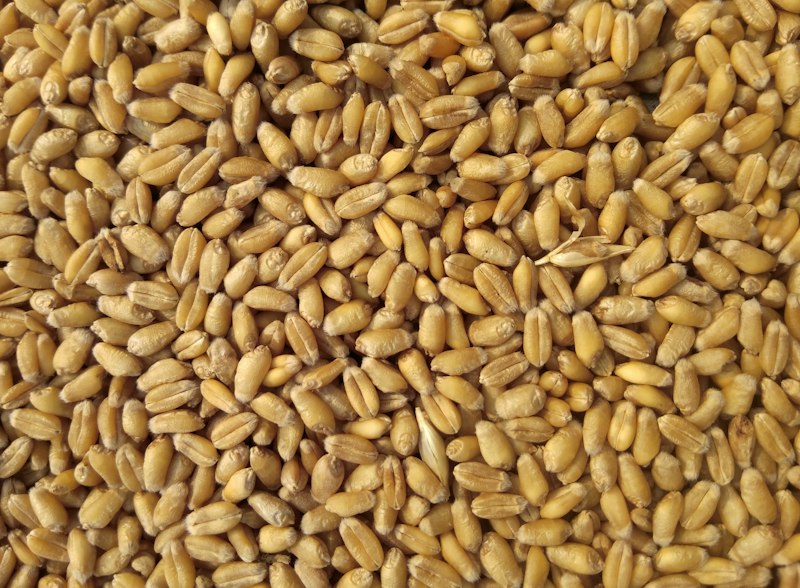
Wheat germ is the undisputed champion — and it's cheap, widely available, and easy to add to smoothies, oatmeal, or yogurt. Two tablespoons per day provide roughly 1–2 mg of spermidine, which is within the range researchers believe is biologically meaningful.
Aged and fermented foods are another excellent source. There's a reason Mediterranean and Japanese diets — both rich in fermented foods, legumes, and vegetables — are associated with exceptional longevity. Spermidine may be one piece of that puzzle.
Dosage: How Much Do You Need?
The average Western diet provides roughly 7–15 mg of spermidine per day, though this varies enormously depending on food choices. People who eat diets rich in legumes, whole grains, and fermented foods are at the higher end.
For supplementation, most products provide 1–5 mg of spermidine per day, typically derived from wheat germ extract. This is the range used in clinical trials.
Here's a practical framework:
- From food alone: Aim for the upper range of dietary intake by including wheat germ, aged cheese, mushrooms, soybeans, and legumes regularly. Target 1–2 mg/day from deliberate food choices on top of your baseline diet.
- From supplements: Most wheat germ–based spermidine supplements provide 1–2 mg per capsule. Bryan Johnson — the tech entrepreneur known for his rigorous Blueprint longevity protocol — includes spermidine in his daily supplement stack, reportedly taking 1 mg/day.
- Upper range: Some supplement protocols go up to 5–6 mg/day. The evidence base for higher doses is limited but safety data is reassuring so far.
There is no established Recommended Daily Allowance for spermidine. The clinical trials used relatively modest doses and found good safety profiles, but long-term safety data from high-dose supplementation is still limited.
Safety and Side Effects
Spermidine has an excellent safety profile based on available evidence. It's a natural component of the human diet and has been consumed in food for millennia.
The 2018 clinical trial by Wirth and colleagues specifically evaluated safety in older adults and found no significant adverse effects compared to placebo. Gastrointestinal symptoms were rare and mild.
A few considerations:
- Polyamines and cancer: There's a theoretical concern that polyamines, because they support cell growth, could fuel existing cancers. However, the evidence is nuanced — spermidine actually appears to enhance anti-cancer immune surveillance in animal models, and higher dietary intake is associated with lower cancer mortality in the Bruneck Study. Still, individuals with active cancer should consult their oncologist.
- Drug interactions: No significant drug interactions have been identified, but research is limited. Standard caution applies.
- Pregnancy/breastfeeding: Insufficient data. Stick to food sources.
The Bigger Picture
Spermidine sits at a fascinating intersection in longevity science. It's not a pharmaceutical — it's a naturally occurring molecule found in everyday foods. It activates the same cellular renewal pathways as fasting and caloric restriction. It has consistent pro-longevity effects across multiple species. And in humans, higher dietary intake is associated with meaningfully longer life.
Is it a magic bullet? No. Nothing is. But spermidine represents something increasingly rare in the supplement world: a compound where the mechanism is clear (autophagy induction), the animal evidence is robust (lifespan extension across species), and the human evidence is genuinely encouraging (prospective mortality data plus clinical trials).
For most people, the easiest and safest approach is dietary: eat more wheat germ, legumes, mushrooms, and fermented foods. For those who want an additional edge, supplementation at 1–5 mg/day appears safe based on current evidence.
Either way, spermidine is a molecule worth paying attention to. Your cells already know what to do with it. They just might need a little more.
Sources
Eisenberg T, Abdellatif M, Schroeder S, et al. "Cardioprotection and lifespan extension by the natural polyamine spermidine." Nature Medicine, 2016; 22(12):1428–1438. DOI: 10.1038/nm.4222. PMID: 27841876.
Madeo F, Eisenberg T, Pietrocola F, Kroemer G. "Spermidine in health and disease." Science, 2018; 359(6374):eaan2788. DOI: 10.1126/science.aan2788. PMID: 29371440.
Kiechl S, Pechlaner R, Willeit P, et al. "Higher spermidine intake is linked to lower mortality: a prospective population-based study." American Journal of Clinical Nutrition, 2018; 108(2):371–380. DOI: 10.1093/ajcn/nqy102. PMID: 29955838.
Wirth M, Benson G, Schwarz C, et al. "The effect of spermidine on memory performance in older adults at risk for dementia: A randomized controlled trial." Cortex, 2018; 109:181–188. DOI: 10.1016/j.cortex.2018.09.014. PMID: 30388439.
Stekovic S, Wirth M, Benson G, et al. "Safety and tolerability of spermidine supplementation in mice and older adults with subjective cognitive decline." Aging, 2018; 10(1):19–33. DOI: 10.18632/aging.101354. PMID: 29315079.
Madeo F, Carmona-Gutierrez D, Hofer SJ, Kroemer G. "Caloric restriction mimetics against age-associated disease: targets, mechanisms, and therapeutic potential." Cell Metabolism, 2019; 29(3):592–610. DOI: 10.1016/j.cmet.2019.01.018. PMID: 30840912.
Eisenberg T, Knauer H, Schauer A, et al. "Induction of autophagy by spermidine promotes longevity." Nature Cell Biology, 2009; 11(11):1305–1314. DOI: 10.1038/ncb1975. PMID: 19801973.